Dzeko headlines Bosnia's World Cup squad
Bosnia-Herzegovina have become the first team to announce their squad for the World Cup, with 40-year-old Edin Dzeko leading the team this summer.
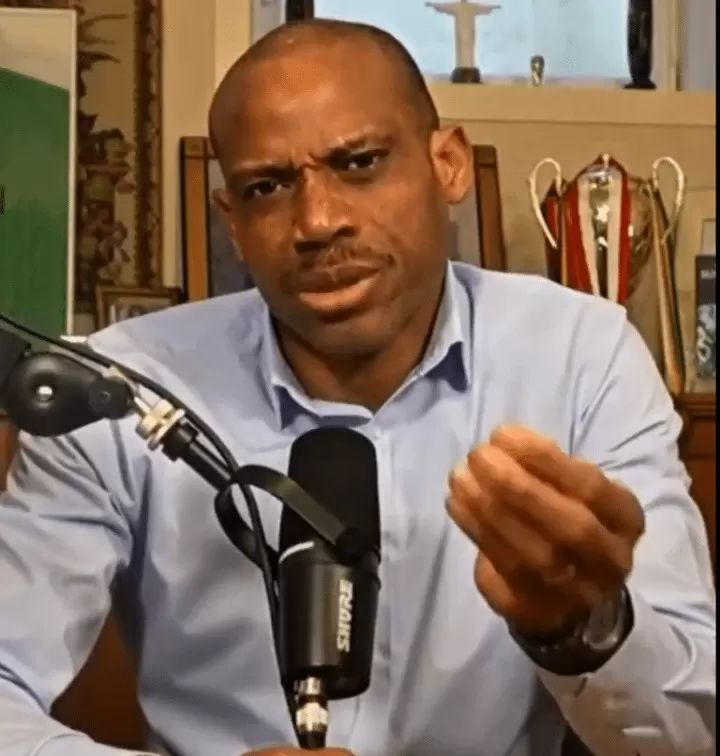
Former Super Eagles coach Sunday Oliseh has delivered a blunt and deeply unsettling assessment of Nigeria’s AFCON exit, pointing to a moment he believes quietly poisoned the team from within. According to Oliseh, Victor Osimhen’s public outburst directed at Ademola Lookman did more than spark debate. He says it fractured team chemistry, shattered confidence, and ultimately cost Nigeria when it mattered most.
Oliseh did not question Osimhen’s quality. On the contrary, he was clear in his praise. Osimhen, he said, is a world class striker and one of Africa’s brightest stars. But Oliseh drew a sharp line between talent and entitlement, warning that elite ability does not give any player the right to undermine a teammate.
“We are confusing talent with license,” Oliseh stated. “Victor Osimhen is world class, but talent is not a license to destroy team chemistry.”
At the heart of his argument is Ademola Lookman, whom Oliseh described as Nigeria’s most dangerous attacking outlet throughout the tournament. By his account, Lookman was statistically and tactically one of the Super Eagles’ biggest weapons until the public confrontation changed everything.
“Since that public outburst against Ademola Lookman, one of our brightest lights, Lookman became a shadow of himself and we lost the fight,” Oliseh explained. “When you publicly diminish your teammates, you break their spirit. You destroy the very confidence a team needs to survive a semi final.”
Oliseh believes the timing could not have been worse. Facing a Morocco side renowned for tactical discipline and psychological strength, Nigeria needed every key player fully locked in. Instead, he argues, the team entered the decisive match mentally compromised.
“Against a team as tactically sharp as Morocco, we needed our best players at 100 percent,” he said. “You cannot expect a playmaker to perform miracles on the pitch when he has been demoralized by his own teammates.”
In Oliseh’s view, the defeat was not just about missed chances or tactical errors. It was about psychology. The edge Nigeria needed, the belief and unity that often define tournament winners, had already slipped away.
“The conflict did its damage,” he concluded. “We didn’t just lose a game. We lost the psychological edge we needed to win. And that, frankly, is what is most dangerous for our football.”
Oliseh’s comments are likely to ignite debate across Nigerian football. Beyond the personalities involved, his warning cuts deeper, raising uncomfortable questions about leadership, accountability, and whether the Super Eagles can truly function as a collective when individual stars overshadow the team.

Comments